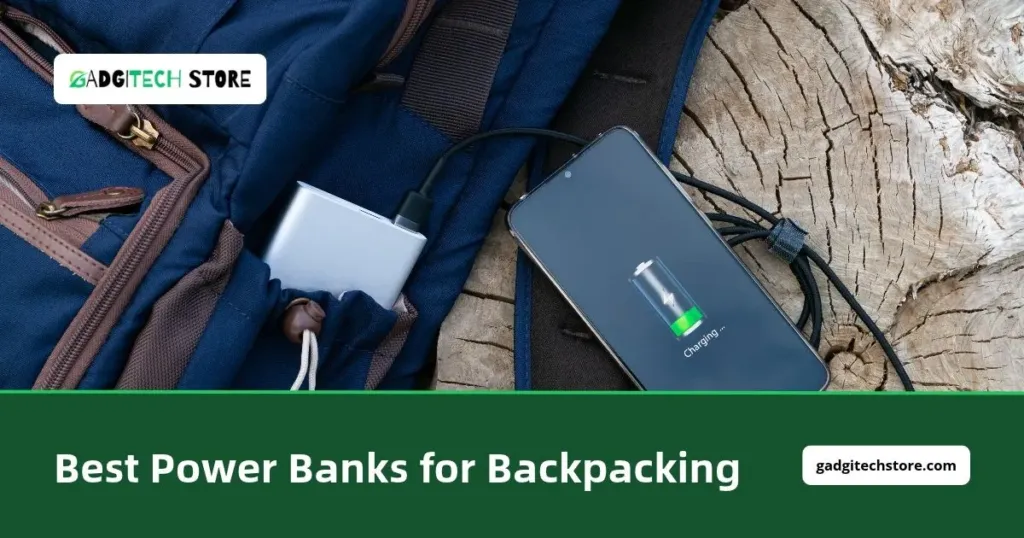
10 Best Power Banks for Backpacking in 2026
Disclosure: As an Amazon Associate we earn from qualifying purchases.
INIU is the pick for backpackers who want a compact charger with fast output and a detachable cable.
When your pack is already full, a charger can feel like one more thing to manage. Comparing power banks for backpacking means looking past marketing and checking size, output, charging options, and how much extra gear you need to carry.
These picks cover compact daily carry, rugged outdoor builds, and solar-style backup choices for longer trips.
Top Picks
Top 10 Power Banks for Backpacking Review
Pros and cons are taken from each product's listing details.
INIU 10000mAh 45W Fast Charging Portable Charger
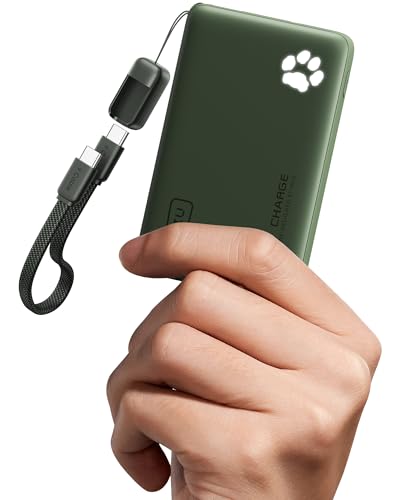
- Ultra-compact size
- Fast 45W output
- Detachable USB-C cable
- Flight-safe design
INIU keeps the package small with a 10,000mAh body that the listing describes as 40% smaller and 36% lighter than conventional chargers. Its detachable 0.4 ft USB-C cable is a useful touch if you do not want to rely on a fixed cord. That mix of size and output makes it a strong fit for packers who want easy carry without giving up speed.
INIU also stands out for the 45W output, which the listing says can boost phones and tablets quickly from a partial charge. The travel-focused design and included cable make it a sensible choice for people who want one charger to handle daily use and shorter backpacking trips. It is a good match if you prefer a compact power bank that still feels versatile.
aswayke 20

- Rugged outdoor build
- Built-in camping lantern
- Digital battery display
- High-capacity pack
- 3.2 mm shell thickness
aswayke leans hard into outdoor use with a 20,000mAh body, IP68 waterproofing, shockproof construction, and a built-in 420-lumen camping light. The digital display adds a clear battery readout, which helps when you want less guesswork on the trail. It suits campers and backpackers who care more about durability and extra lighting than about shaving every ounce.
The dual Type-C and Type-A ports make it easier to charge more than one device at a time, and the listing says the Type-C port supports bidirectional charging. That makes it a practical choice for longer outings where you may want a tougher charger that can also double as a light source. Its 3.2 mm shell thickness is the main detail to notice if slimness matters more than toughness.
FLEXTAILGEAR 10000mAh Power Bank
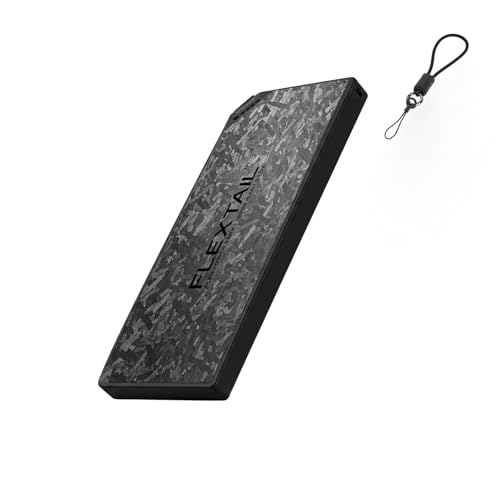
- Very light build
- Slim profile
- Carbon fiber shell
- Smart power modes
- 0.39 in thin
FLEXTAILGEAR is the lightest-feeling option here, with a 5.1 oz body and a 0.39in thin profile. The carbon fiber shell and smart power modes make it appealing if you want a charger that disappears into your kit until you need it. Backpackers who count every ounce will likely notice the difference right away.
The 22.5W output gives it useful charging speed, while the extra range-extension mode is aimed at trips where each charge matters. The built-in USB-C cable that doubles as a strap is another nice travel detail. It is a good pick if you want something slim and easy to carry, though the IPX4 rating is less protective than the tougher outdoor models.
BLAVOR Solar Power Bank 20000mAh Wireless Charger
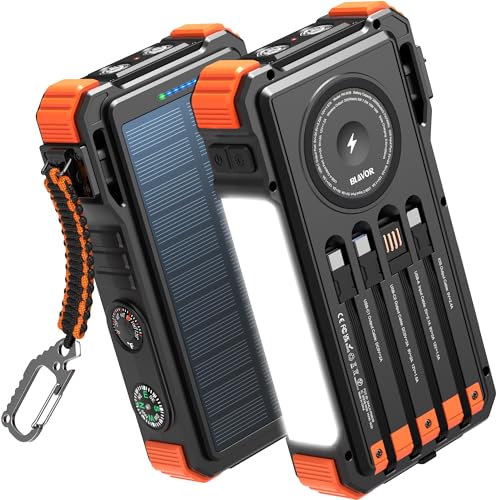
- Charges many devices
- Wireless charging area
- Built-in cables
- Outdoor accessory set
BLAVOR is the most feature-packed choice for groups or anyone carrying several gadgets. Its 20,000mAh capacity, built-in cables, ports, and wireless charging area let it handle a lot at once. The listing also pairs it with a flashlight, camping light, compass, thermometer, carabiner, and rope, so it works well when you want one unit to cover more than charging.
The 20W USB-C fast charging adds convenience for phone top-ups, while the waterproof, shockproof, and dustproof construction keeps the design focused on outdoor use. If you carry a phone and wearable together, or you are managing power for more than one person, this is one of the most flexible picks. It suits backpackers who value convenience over a minimal setup.
Nitecore NB Plus 10000mAh Power Bank IPX7

- Lightweight body
- USB-A and USB-C ports
- Compact grip
- IPX7 waterproof
Nitecore keeps things simple with a 10,000mAh pack that weighs 155g and delivers up to 22.5W output. The slim shape, rounded corners, and comfortable grip make it easy to slip into a side pocket. Backpackers who want a small, durable charger for everyday trail use should find the balance appealing.
The IPX7 rating gives it stronger water protection than many lightweight options, and the USB-A plus USB-C port setup supports simultaneous charging and discharging. That makes it a pick for hikers who want a compact unit with a tougher shell and a straightforward layout. It is best for people who want light weight without moving to a bigger high-capacity brick.
エレコム(ELECOM) NESTOUT Rugged Power Bank, 15000mAh Outdoor Charger, 32W USB C

- USB-C PD charging
- Waterproof and dustproof
- Shockproof shell
- Tripod mount
エレコム(ELECOM) gives you a 15,000mAh rugged pack with 32W USB-C PD charging, IP67 protection, and a shockproof hard shell. The vintage fuel bottle shape is distinctive, and the bottom tripod mount opens the door to accessory use. It fits backpackers who like rugged gear with a more modular feel.
The smart power delivery feature lets the battery detect what is plugged in and allocate power accordingly, which is useful when you carry mixed devices. The 1-year warranty is also listed. Its 810g weight is the main tradeoff, so it makes sense for users who want durability and expansion options more than a light carry.
GULLVEN Solar Power Bank 20000mAh Phone Charger
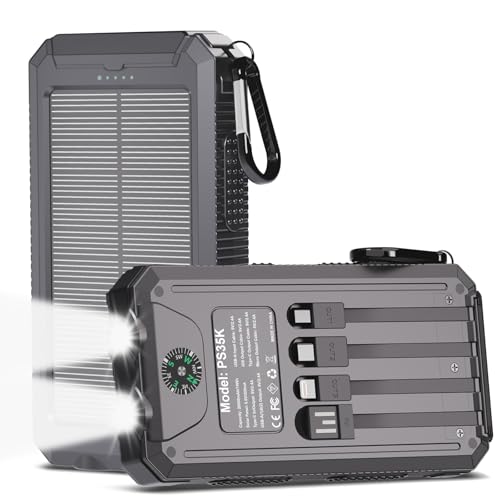
- Solar recharging
- Four built-in cables
- Dual flashlight
- Air-travel compliant
GULLVEN combines a 20,000mAh battery with solar recharging, four built-in cables, and a dual flashlight setup. The waterproof, dustproof, and shockproof build is aimed at rough outdoor use, while the carabiner helps it clip onto gear. It suits backpackers who want a backup charger with extra emergency-friendly features.
The ability to charge up to six devices at once makes it useful when you are carrying a phone, camera, and other small electronics. Since it can recharge by solar energy or a wall socket, it works for trips where power access changes from day to day. This is a strong fit if you want one pack that leans into emergency readiness.
Zmmyuluo Portable Charger 10000mAh with 4 Built-in Cables 40% Smaller

- Four built-in cables
- Compact travel shape
- LED battery display
- Charges five devices
Zmmyuluo is built for people who want to skip loose cords. Its 10,000mAh body includes four built-in cables, a compact shape, and an LED display that shows remaining battery percentage. For backpackers who like tidy packing and quick access, that is a very convenient layout.
It can charge up to five devices at once, which adds flexibility for small groups or a phone-plus-accessories setup. At 189g, it stays relatively light for a cable-heavy design. Choose this one if you want a travel charger that keeps cables organized without forcing you to carry extra leads.
Anker Power Bank 10 000mAh Charger

- Slim profile
- Scratch resistance
- Two-way USB-C
- Drop-tested
Anker focuses on a slim, light shape with a compact body that the listing describes as one of the slimmest and lightest 10,000mAh portable chargers on the market. The 0.61in thickness and 8.6 oz weight make it easy to pack. It suits backpackers who want a streamlined charger with a familiar, no-fuss layout.
The two-way USB-C port keeps charging and recharging simple, and the scratch-resistant build adds a durability angle. If you want a compact power bank that stays close to a classic everyday design, this is a strong option. It works best for people who want portability first and a charging setup.
BigBlue 28W High-Efficiency Solar Panel Charger with Dual USB-C and USB-A

- High-efficiency solar panel
- Foldable design
- Triple-port output
- Compact for packs
- No internal battery
BigBlue is the odd one out in a helpful way because it is a solar panel charger rather than a battery pack. The foldable design, 28W output, and triple-port setup make it a practical companion for charging devices in direct sunlight. It suits backpackers who want off-grid charging and do not mind planning around the sun.
It folds down to a compact size and weighs 1.5 lb, so it is built for packing rather than permanent carry. Since it has no internal battery, it works only as a direct charger. That makes it a good match if your trips include long daylight stretches and you want an emergency solar option instead of stored power.
How to Choose Power Banks for Backpacking
Match Capacity to Trip Length
Think about how long you will be away from outlets and how many devices you need to keep running. A smaller pack is easier to carry, while a larger one can handle more top-ups before you need to recharge it again.
It also helps to compare capacity with your actual device use. If you only need phone support, a compact charger may be enough. If you carry a phone, watch, camera, or headlamp, a larger pack can reduce the number of charging stops you need to plan for.
Check Weight and Shape
A charger that looks small on paper can still feel bulky in a pack pocket. Pay attention to weight, thickness, and whether the shape is easy to stack with the rest of your gear. Rounded edges, slim bodies, and lighter materials usually make daily carry less annoying on the trail.
Pocket-friendly design matters when you reach for a charger often. If it will live in a shoulder pocket or hip belt pouch, a flatter unit is easier to manage. If it stays at camp, a larger shape may be less of a problem.
Look at Port Setup
The number and type of ports decide how flexible the charger feels in real use. USB-C is useful for newer phones and recharging the pack itself, while extra ports can help when more than one device needs power at the same time.
If you travel with mixed devices, check whether the ports match what you already own. A simple setup can be enough for one phone, but a more varied loadout may call for more options. The best port layout is the one that reduces packing friction.
More to Consider for Power Banks for Backpacking
Outdoor Weather
A backpacking charger should cope with the conditions you expect, whether that means rain, dust, or accidental drops. Look for waterproof or dust-resistant construction if your route is exposed, and think about whether the shell material feels suited to rough handling. A tougher build can matter more than extra features when the weather turns.
Recharge Planning
Think about how you will recharge the unit once it is empty. Some people can top up from a wall socket in camp or town, while others may need a solar-style option for longer stretches off-grid. The right setup depends on how often you expect access to power and how much time you have between charges.
Accessory Use
Some chargers do more than deliver power, such as including lights, clips, mounts, or built-in cables. Those extras can be helpful if they replace separate items you would otherwise pack. Just make sure the add-ons suit your trip style, because extra functions only help when you will actually use them.
Frequently Asked Questions
How do I choose the right size for a long hike?
Start with how many charges you want and how much weight you can tolerate.
Which option is easiest to carry in a pocket or side pouch?
FLEXTAILGEAR is the slimmest and lightest-feeling choice, with a 5.1 oz body and a 0.39in profile. Anker is also slim at 0.61in and 8.6 oz, while Nitecore weighs 155g and keeps a compact shape.
Which picks are better for multiple devices at once?
BLAVOR can power up to 6 devices at once, and GULLVEN also supports up to 6 devices with its built-in cables and ports.
Which models are more suited to rough outdoor use?
aswayke has IP68 waterproofing, a shockproof design, and drop resistance, so it is built for harsh use. Nitecore is IPX7 rated, and エレコム(ELECOM) is IP67 waterproof and dustproof with a shockproof shell.
Which one is most useful if I want built-in cords or fewer loose cables?
INIU includes a detachable 0.4 ft USB-C cable, which keeps it flexible if the cord needs replacing.
Final Verdict
INIU is the top pick because it combines a 10,000mAh body, 45W output, and a detachable 0.4 ft USB-C cable in a package the listing describes as much smaller and lighter than conventional chargers. That makes it a strong match for backpackers who want a compact carry with fast top-ups and less cable clutter.